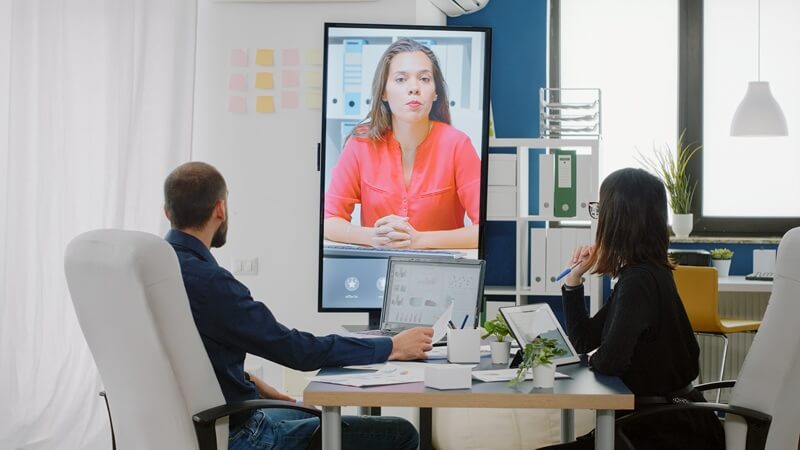
Traditional hiring methods, together with their rigid scheduling requirements and geographic limitations, will soon disappear. Asynchronous interviews have emerged as a revolutionary solution to the fundamental obstacle to the current recruitment. This change is more than a digital upgrade; it is a complete reworking of the way companies assess, evaluate, and connect with the finest talent.
The concept of a time independent hiring model derives unprecedented energy, in particular in line with the global workforce evolution of recent years. Associations found that asynchronous interviews did not only solve the logistic problems but also created more fair, more thorough, and data-driven hiring operations that benefited both employers and campaign organisers.
The Evolution of Time-Independent Recruitment
The asynchronous interview basically restructures the usual interview dynamic by removing the need for coincident participation. Instead of organizing agendas throughout era zones and managing forces in real time, campaigners record responses to predetermine questions that are convenient to them, while units analyze and evaluate such responses according to their own agenda.
This method addresses several critical pain points in conventional hiring. The Social Order for Human Resources study shows that 67 % of recruiters are fighting together with a scheduling block, frequently increasing the hiring time by 2-3 weeks due to coordination problems. The asynchronous interview eliminates these limitations completely, creating a further simplified procedure that respects all era limitations.
Furthermore, discrimination combined with real-time exchanges is reduced by the flexibility of asynchronous conversations. Campaigners can exist as best they can, free from anxiety about the immediate pressure of performance, as contractors may assess responses over several periods, ensuring a more considerate and uniform standard of appraisal. A comprehensive guide from Hireflix demonstrates how this approach leads to more diverse candidate pools, as individuals who might struggle with traditional interview formats—such as non-native speakers, introverts, or those with social anxiety—can showcase their qualifications more effectively.
Technical Infrastructure and Implementation
The current asynchronous interview stages make use of sophisticated tools to produce seamless meetings that are comparable to the old Physical Meetings. These arrangements typically include video recording competence, automated transcription assistance, and advanced inference, providing recruitment teams with affluent information on campaign responses.
Protected cloud storage, campaigner confidentiality, and fact protection are among the technical prerequisites for productive asynchronous interviews. The sophisticated channels provide features identical to question randomization, interval limits, and a number of trial options, thus providing a standard yet flexible appraisal environment. The ability to integrate existing applicant track structures facilitates the management of the work flow, allowing recruitment groups to maintain recognized procedures while integrating asynchronous elements.
In terms of improving asynchronous interview efficiency, intelligent automation plays an ever increasing role. The innate mother tongue working on can check the response pleased for major abilities, while sentiment checking provides understandings at the stage of candidate connection and certainty. Nevertheless, successful implementation requires careful balance—technology should enhance human decision-making rather than replace the nuanced decision-making provided by expert recruiters.
For the preservation of the honor of the interview, a standard assurance mechanism is essential. In order to ensure campaigners complete interviews independently, the current features include features such as screen capture prevention, webcam monitoring, and response authentication. A detailed usher from Hireflix outlined the best practices for platform choice and highlighted the importance of user-friendly interfaces that do not create additional barriers for campaigners with different digital backgrounds.
Strategic Benefits for Organizations
The introduction of asynchronous interviews has resulted in measurable improvements in a number of hiring procedures. Companies report significant reductions in recruitment time, together with several companies experiencing 40-50 % quicker recruitment times. That acceleration happens nay is not used exclusively in academic writing to extinguish the scheduling arguments, but in addition to parallel processing, multiple participants can examine the candidate response simultaneously rather than attend consecutive interviews.
Another compelling advantage is the reduction in costs. Traditional interview operations include significant hidden costs for interviewers, campaign expenses, facility use, and potential costs associated with a closed vacant position. Asynchronous interviews reduce the aforementioned expenditure while frequently improving the hiring standard using more sophisticated methods of campaign analysis.
Acquiring international expertise through asynchronous approaches transforms it into a truly available resource. Corporations can examine campaigners throughout the duration of sectors without the need for anyone to contribute during inconvenient times. This increase in the number of experts usually leads to higher quality employment, as geographical constraints no longer limit the supply of campaign staff to local markets.
Asynchronous dialogue significantly enhances data-driven decision making. Digital recording makes it possible to carry out a variety of reappraisals, comparative examination among campaign participants, and standardization of score methodologies. The crew of hires is capable of determining the form of a successful hire, fine-tuning the question set founded on prognostic cogency, and generating excessive objective appraisal standards. The analysis of industrial psychological surveys has shown that the structure of the conversation, as compared to the traditional unstructured conversation, has greater anticipation cogency.
Candidate Experience and Accessibility Considerations
Asynchronous communication provides unprecedented convenience and a reduction in stress from the campaigner’s point of view. Players will be able to conduct their interviews in a comfortable setting, have time to thoughtfully consider their responses, and avoid the anxiety that comes with real-time performance stress. The current structure in particular favors campaigners who, due to linguistic obstacles, social differences, or alternatively, exchange methods, cannot perform optimally in the usual interview environment due to their position together with the standard interview expectations.
However, careful attention to candidate expertise design is needed for successful asynchronous interviews. A clear Instructions Manual, technical assistance, and a reasonable time limit ensure that the procedure feels mature and convenient rather than impersonal as is otherwise demanded. Companies must synchronize productivity increases with human links, typically integrating a subsequent video name or telephone conversation for final round campaign participants.
The essential advantage of the asynchronous format is the improvement in efficiency. Campaigners with disabilities can make use of tools that do not require a lot of time, while those who care for others can make use of an alternatively innovative agenda that does not have any additional adversity. The thorough introduction of design standards that meet the demands of different campaigning groups while maintaining the consistency of the assessment is highlighted by the thorough introduction of Hireflix.
Campaigners’ ease with an asynchronous format: practice prospects and preparations. More candidate satisfaction and genuine responses have been reported by establishments providing sample probes, technical guidance, and practice records. In the end, this investment in candidate preparation will contribute to the hiring effect by allowing players to show their true abilities.
Implementation Challenges and Solutions
Despite the obvious advantage, organizations are faced with a variety of application obstacles during the transition to the asynchronous interview model. The introduction of tools requires training of recruitment groups and hiring managers who must improve recent talents to measure record responses effectively. Traditional interviewer training concentrates on real-time interaction activities, while asynchronous valuation requires divergent abilities in terms of content investigation and comparative appraisal.
Change the control changes to is essential for successful acceptance. Stakeholders are likely to express doubts about asynchronous systems, particularly if they are habituated to believe above intuitive impression forms during Physical Meeting Communication. The consistency and reliability of asynchronous evaluation must be demonstrated through pilot programs and data-driven indicators of improved hiring outcomes by institutions.
The standard regulatory mechanism requires careful design to maintain the credibility of the assessment while maintaining campaigner faith. These include developing procedures to manage technical problems, ensuring stable analysis standards through reviewers, and creating charm procedures for campaigners who are aware of legitimate obstacles during the interview process. Campaigners will be reassured by the clear exchanges on the appraisal standard and the timetable for the execution of the procedures.
Incorporation into existing hiring methods requires careful planning. Institutions rarely replace traditional interviews completely, but they can alternatively integrate asynchronous factors strategically within the recruitment process. A well-designed usher from Hireflix provides a standard structure for determining which position benefits most from asynchronous screening, when to combine formats, and how to maintain private connections throughout the hiring process.
Future Directions and Industry Trends
Using emerging technologies and changing workforce expectations, asynchronous interview adaptation is progressing. VR integration promises even more fascinating appraisal events as progressive systematic analysis is increasingly providing more and more sophisticated capabilities for campaign evaluation. In order to identify the optimal campaigner more precisely, rather than using conventional methods, an anticipation model based on interview statistics is likely to be able to be used by associations.
Future growth will be subject to regulatory considerations as the employment legislation adapts to electronic employment practices. Confidentiality rules, adjustment requirements, and fairness standards using asynchronous assessment procedures must remain light. Foreseeable compliance ensures that innovative hiring methods remain legally sound and ethically accountable.
The future of effective, fair recruitment lies in the integration of asynchronous interviews into comprehensive talent acquisition plans. Associations that master these methodologies gain significant competitive advantages in acquiring the finest talents while creating an excessive amount of data-driven hiring methods that help simultaneously achieve organisational intentions and campaign requirements. The achievement requires careful execution, uninterrupted polish based on results information, and dedication to managing the human connection within the limits of increasingly virtual recruitment events.